How to Choose a Carpet That Complements Your Interior Design
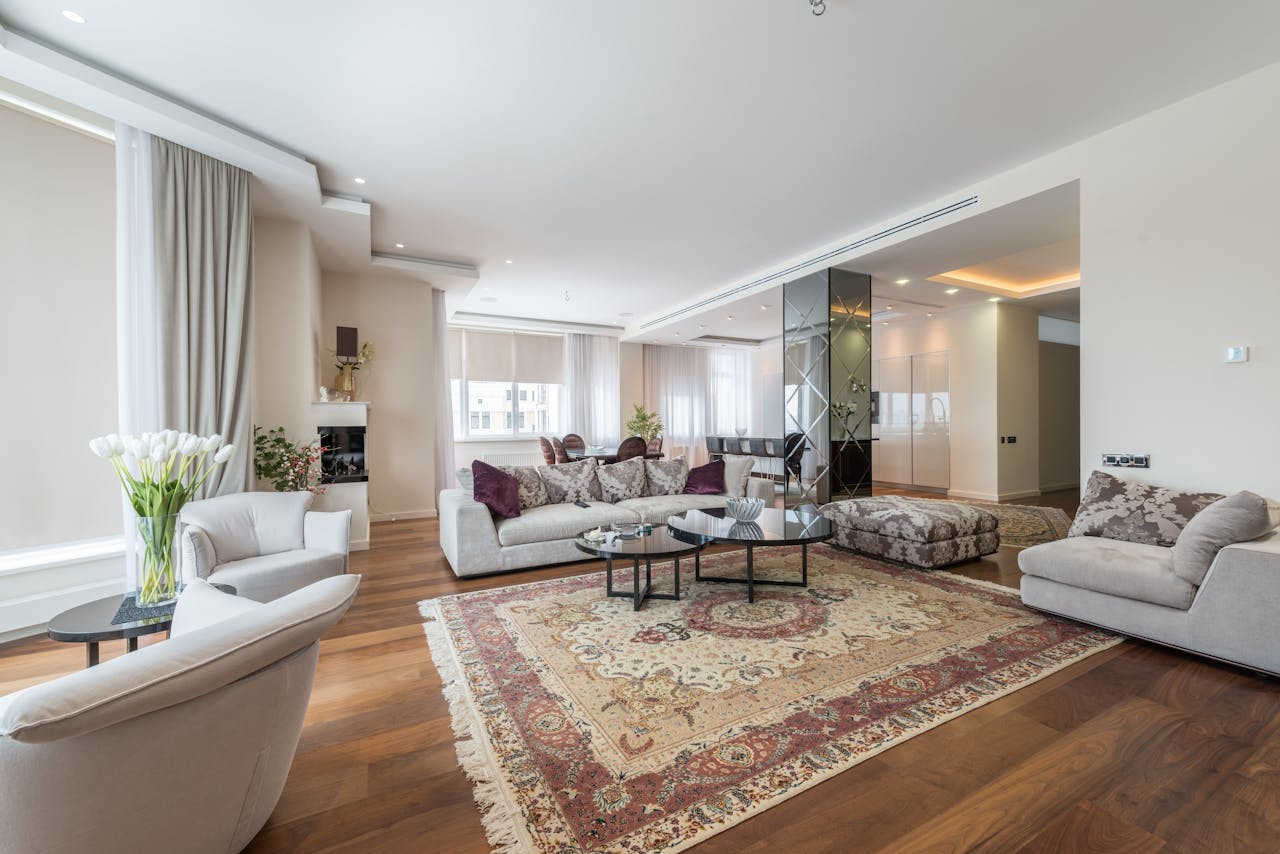
You’ve painted the walls, arranged the furniture, and hung that one piece of art you overpaid for. And yet, something still feels off. Nine times out of ten, it’s the floor.
The right carpet can pull an entire room together. The wrong one can make even the most thoughtfully designed space look like a waiting room at a GP surgery.
Fortunately, choosing the right one is far less overwhelming than it looks. Here’s how to do it properly, step by step.
Take Stock of the Space
Before you go falling in love with a pattern online, take a look at the room you’re working with.
A bedroom usually calls for something softer and more comfortable underfoot, while a hallway needs something tougher that can handle constant foot traffic. A home office, on the other hand, might need a flatter surface so chairs roll easily.
Take stock of what’s already there, including your furniture, wall colours, and lighting. These aren’t just background details; they’re the context your carpet needs to work within.
If it helps, put together a simple mood board by cutting out swatches and taking photos of your furniture. It sounds a bit arts-and-crafts, but it’ll save you from ordering something that looks stunning on a screen and out of place in person.
Get the Colour Right
The shade you choose can change how a space feels the moment you walk into it.
For example, warm tones, like terracotta, rust, and deep ochre, make a space feel cosy and inviting, which is exactly what you want in a living room or bedroom.
On the other hand, cool tones, such as slate blue, sage green, or dusty lilac, work beautifully in spaces where you actually want to think, like a home office or a reading nook.
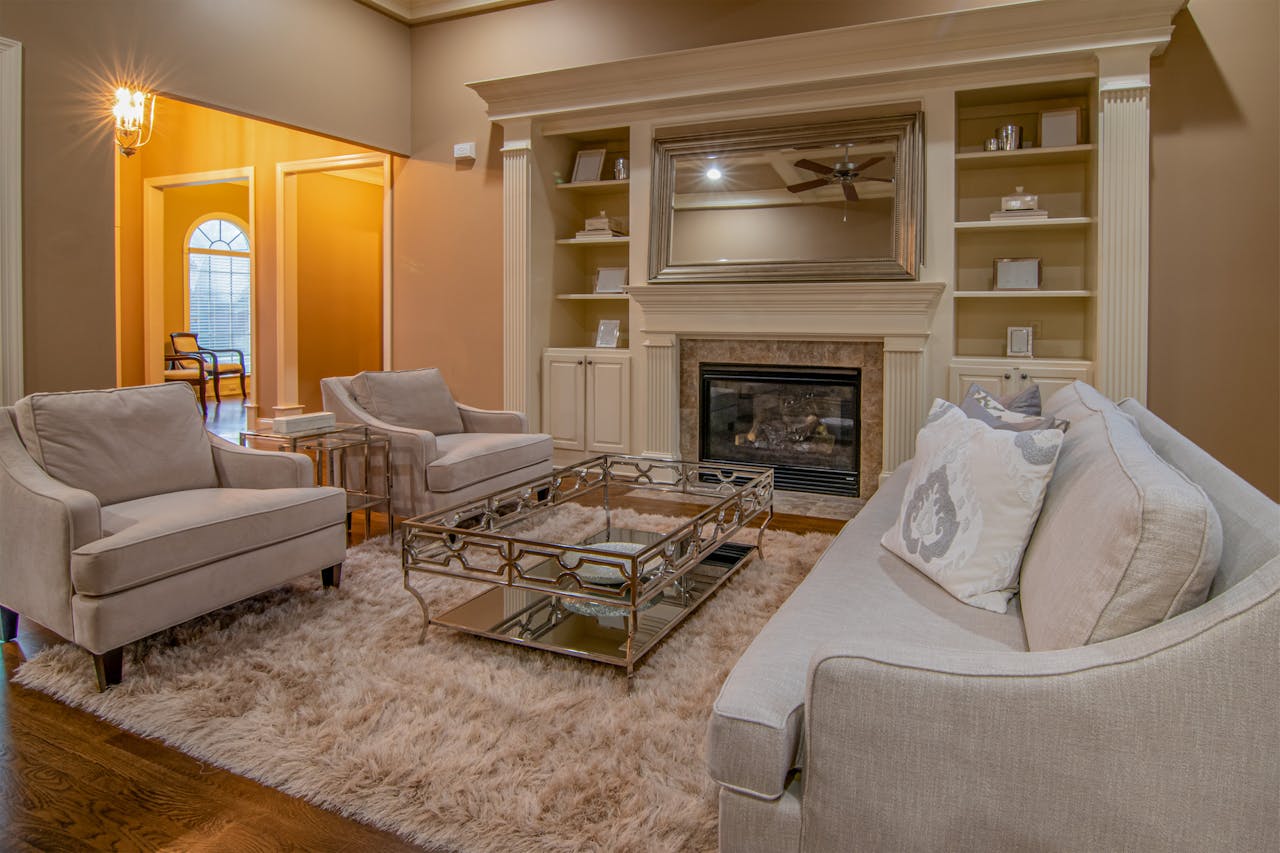
If you’re not ready to commit to either, warm grey, beige, or taupe are your best bet. They go with almost anything, age gracefully, and make it easy to update your décor around them without starting from scratch.
Just keep in mind that lighting can completely change how a colour looks. So, always check some samples at home before making a decision.
Think About the Texture
The texture of a carpet doesn’t just affect how it looks; it decides how it feels underfoot and how it holds up over time.
If you’re choosing a rug for your bedroom, a deep, plush pile can feel fantastic. It’s soft, warm, and makes those first steps out of bed on a cold morning a little more bearable.
But that same softness is a nightmare in a high-traffic area. Hallways, stairs, and living rooms usually need something flatter and denser that won’t start looking worn after a few months of heavy use.
A good rule of thumb: the more foot traffic there is, the flatter the pile should be. Save the softer, plush options for quieter spaces.
Nail the Size and Shape
Getting the size wrong is one of the most common and most visible mistakes you can make.
If you add a small rug in a large room, it can end up looking like a postage stamp on a dining table. On the other hand, placing one that’s too big in a smaller space can make everything feel cramped and cluttered.
Generally speaking, you should leave around 45 cm of bare floor visible around the edges of your carpet. This will help you frame the space without shrinking it.
If you want to place a rug under your furniture, make sure that at least the front legs of your sofa sit on it. Otherwise, the room will feel disconnected.
Shape matters, too. Rectangular rugs emphasise clean lines and suit most modern layouts. As for round ones, they can soften the look of the space and often work nicely under circular dining tables or in a reading corner.
And if you’re dealing with an awkward layout, carpet tiles can be a practical option. They’ll give you more flexibility with the shape, and if one section gets damaged, you can replace that tile without redoing your entire floor.
Balance Comfort with Durability
A carpet might look beautiful in a showroom, but the real question is how well it can hold up once people start walking on it every day.
Think about how the room is used. If the space gets a lot of foot traffic, with kids running through and guests coming and going, you’ll want something that can handle that without showing wear straight away.
Nylon is often the practical choice. It’s tough, stain-resistant, and generally takes daily use in stride. It’s also more budget-friendly, which makes it a great option for busy households and rental properties.
Wool sits at the other end of the spectrum. It feels softer and warmer underfoot, and it has a natural depth that synthetic fibres can’t match.
While it costs more upfront, a well-cared-for wool carpet can last for many years, which makes it a good long-term investment in the right home.
And if sustainability or allergies are on your mind, look into natural fibres, like sisal or organic wool. They don’t contain most of the chemicals used in synthetic materials and add a more natural, textured feel to the room.
Factor in Cleaning Before You Commit
It’s easy to get caught up in colours, patterns, and textures when choosing a carpet. But before you make a final decision, keep in mind that even the most beautiful carpet in the world can become a source of daily stress if it shows every bit of dirt.
Here’s a simple routine that will help you keep yours in tip-top shape for years:
- Vacuum regularly. For most households, once or twice a week is enough to stay on top of things. If allergies or pets are part of the picture, a vacuum with a HEPA filter can help capture finer particles.
- Deal with spills immediately. When something spills, blot the area with a clean cloth, then use a simple mix of water and white vinegar to handle any remaining marks.
- Schedule professional deep cleaning. Most carpets need a deeper treatment every 6–12 months. When comparing carpet cleaning options, look for providers who use hot water extraction methods, as these remove debris far more effectively.
Conclusion
Congratulations! You’ve made it to the end without once browsing a carpet website mid-article, which frankly shows admirable self-control.
Now all that’s left to do is pick the right carpet. So, take your time, test different samples, and don’t let anyone rush you into a decision you’ll be living with for the next decade. You’ve got this.